We build portfolios around the outcomes the capital must support, then manage them within a disciplined framework for risk, diversification, taxes, liquidity and ongoing oversight. Fee-only. Fiduciary. Held in your name at Charles Schwab.
Markets cannot be controlled or reliably predicted. We do not try. We focus on the decisions that can improve the probability of success and that we can actually control.
That means portfolios that are low-cost and broadly diversified, built to the specific job the money has to do, and managed with enough discipline that a bad month in the market does not turn into a bad decision.
The same process for a family portfolio, a trust, or a related entity. What changes is the policy, not the discipline.
Objectives, time horizon, liquidity needs, tax considerations, risk parameters and any constraints, written down before a dollar is invested.
A diversified allocation in which each exposure is selected for how it contributes to the total portfolio.
Attention to cost, tax efficiency, account location, liquidity and the role of legacy or concentrated positions.
Rebalance when appropriate and revisit the mandate as goals, distributions or circumstances change.
Two households can hold the same investments and keep very different amounts after tax. The difference is structure: which account holds what, and whether the household's money is managed as one portfolio or one account at a time.
That structural work, done well and kept up, is a large part of what the fee buys on the investment side. It is also most of what is genuinely hard to do on your own.
Blackshire Wealth Management provides ongoing portfolio reporting designed to make the investment strategy understandable and reviewable: holdings and allocation, account values, portfolio activity and investment performance.
Performance is reviewed against the portfolio's objectives and the financial plan, not as a standalone scorecard. You also receive official statements directly from Charles Schwab, so there is always an independent record.
For fiduciary relationships, investment policy can incorporate governing documents, beneficiary needs, required distributions, liquidity reserves, legacy holdings and coordination with legal and tax counsel.
Each trust or entity gets its own account, its own written policy and its own reporting, so a trustee, executor or co-fiduciary has a file that stands on its own. See how this connects to family continuity planning →
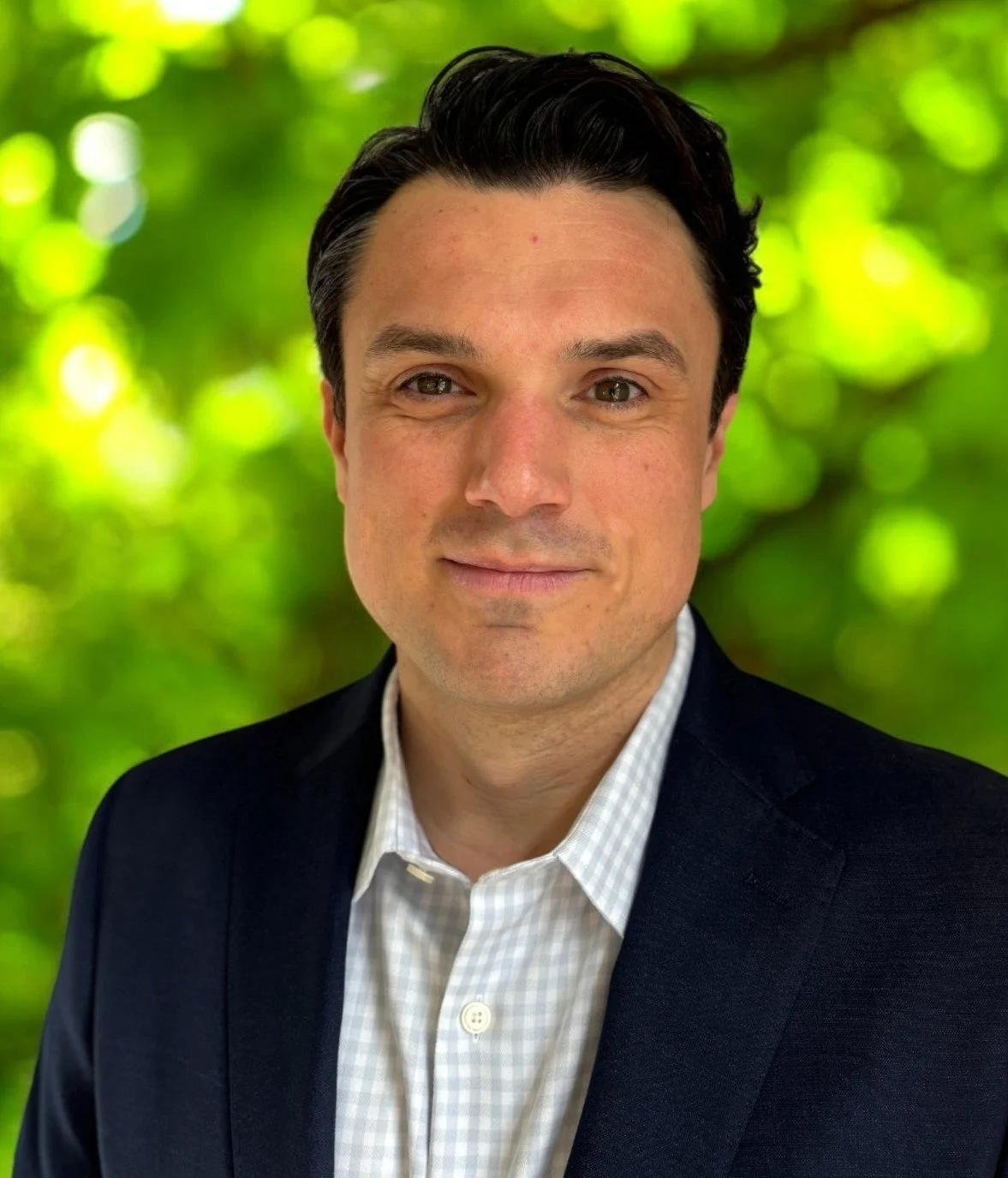
You work directly with Henry Supinski. Portfolio construction, research, trading and ongoing oversight are supported by the Wealthcare Advisory Partners investment team, including CFA charterholders with decades of institutional experience.
Blackshire Wealth Management remains responsible for translating your objectives into an investment mandate and keeping the portfolio connected to taxes, estate strategy and the rest of your financial life.
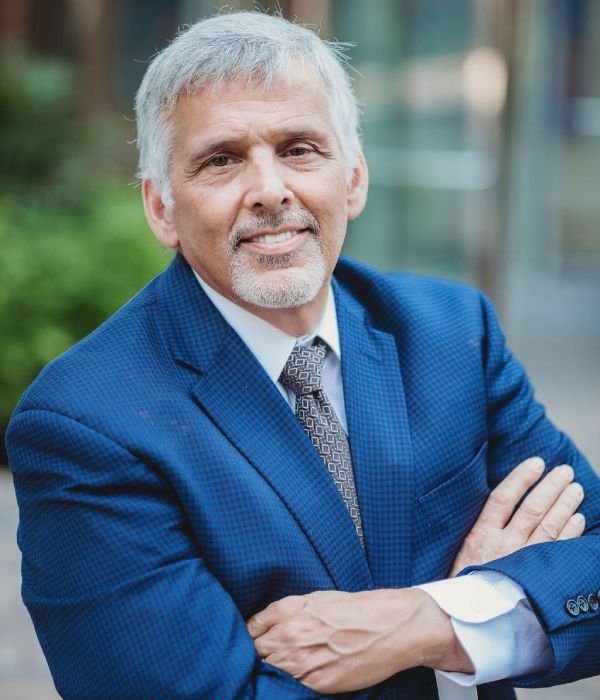
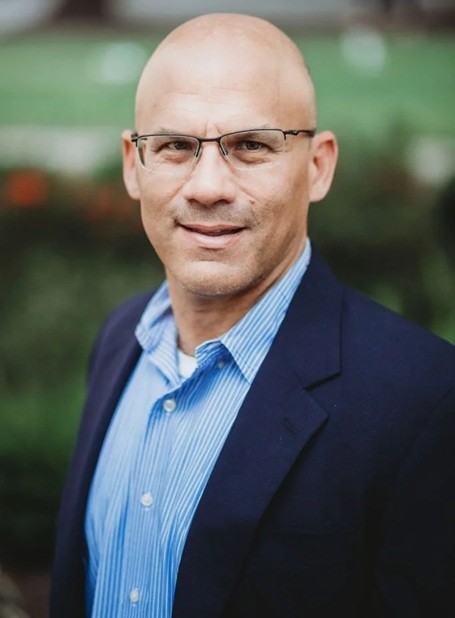
Henry Supinski, Founder & CEO · Ron Madey, CFA, Chief Investment Officer · Ken Kideckel, CFA, CFP®, Head of Portfolio Management & Trading. Meet the full team →
Our advisory fee is based on assets under management and declines as the relationship grows. Related household and entity accounts may be aggregated where permitted, so families and their entities reach lower tiers together.
The full schedule is in our Form ADV Part 2A and in the advisory agreement, and we will walk you through it on the first call. There is no fee for that call.
By a single advisory fee based on assets under management, paid by you and no one else. No commissions, product sales, referral payments or revenue sharing. The fee is billed quarterly and appears on your custodial statement.
In your own name at Charles Schwab, an independent qualified custodian. Blackshire Wealth Management manages the accounts and never takes custody. You receive official statements directly from Schwab in addition to our reporting.
Asset location is deciding which of your accounts holds which investments, based on how each account is taxed. Income-producing holdings like bonds are more efficient inside a 401(k) or IRA, where the income is not taxed until withdrawal. Broad stock funds are more efficient in a taxable account, where long-term capital gains rates apply and losses can be harvested. Holding the same overall allocation but locating it deliberately can add to your after-tax return over time, with no change to how the portfolio is invested or the risk it carries.
Yes. We manage the household's accounts as one portfolio with one target allocation, rather than treating each account as its own balanced portfolio. Managing them together is what makes asset location and tax-aware rebalancing possible. Related household and entity accounts are also considered together for the fee schedule, so a family reaches lower rate tiers as one relationship.
The typical relationship minimum is $500,000 in assets under management. Household and related entity accounts are considered together, so a family with several accounts or a trustee with several entities is looked at as one relationship.
You work directly with Henry Supinski. Portfolio construction, research, trading and ongoing oversight are supported by the Wealthcare Advisory Partners investment team, including CFA charterholders. Blackshire Wealth Management remains responsible for translating your objectives into a mandate and keeping the portfolio connected to the rest of your financial life. Meet the team.
Yes. For fiduciary relationships, investment policy can incorporate governing documents, beneficiary needs, required distributions, liquidity reserves, legacy holdings and coordination with legal and tax counsel. Each entity gets its own account, policy and reporting.